Hospitality-Inspired Workspaces: The Blurring of Office and Lifestyle Design
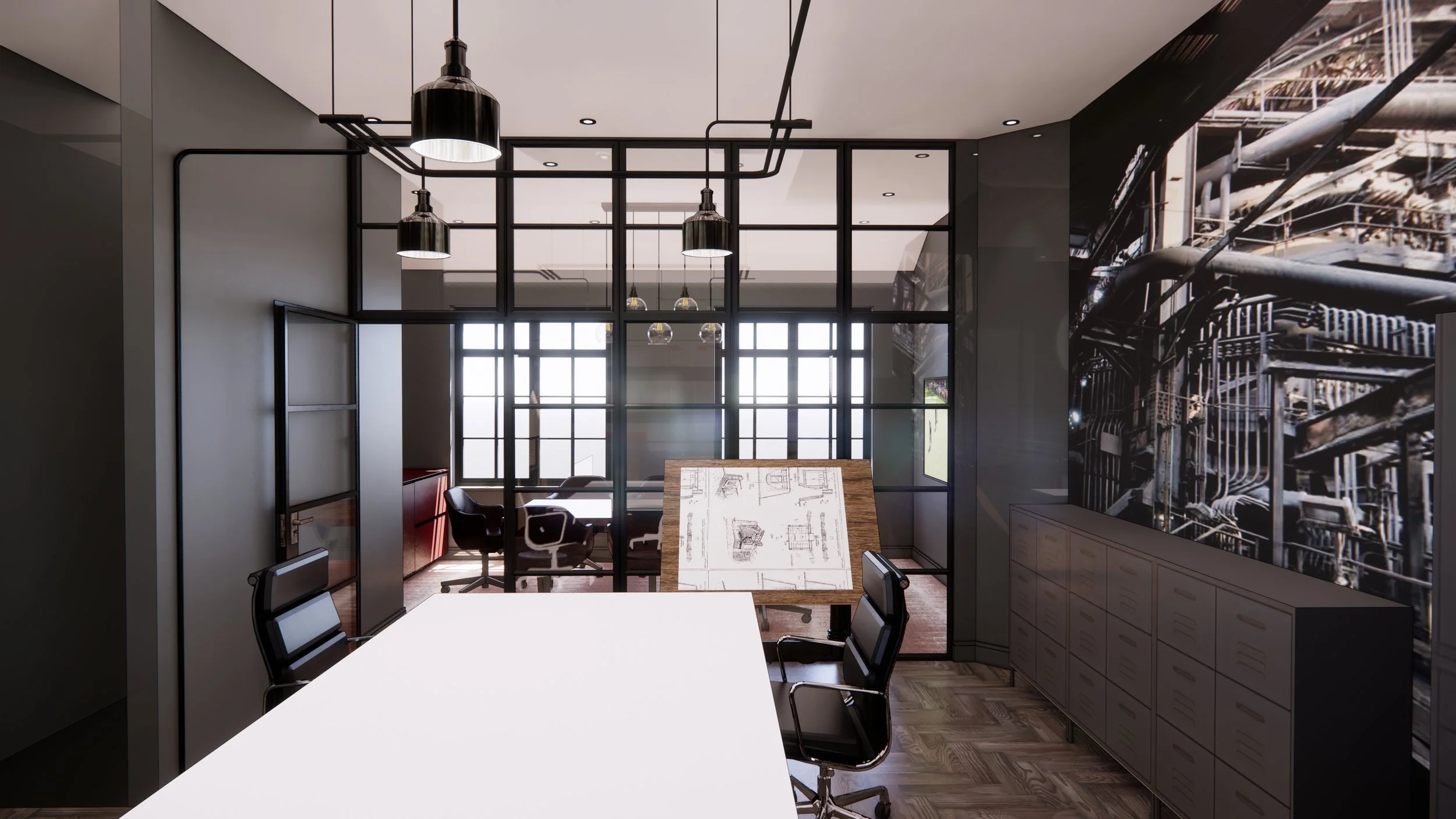
The way we work has changed — and so have our expectations of the places we work in. Today’s offices are no longer just about desks and meeting rooms. They’re about experience, comfort, and culture. This shift has given rise to a new approach: hospitality-inspired workspace design.
Drawing on ideas traditionally associated with hotels, cafés, and members’ clubs, modern workplaces are becoming more relaxed, welcoming, and human. The result is a new kind of environment — one that supports productivity, but also wellbeing, connection, and flexibility.
Why Offices Are Borrowing from Hospitality
Hospitality design has always understood something crucial: people respond emotionally to spaces. The best hotels and restaurants make you feel at ease, looked after, and engaged — often without you consciously realising why.
As work becomes more flexible and less location-dependent, offices must now earn their place in people’s lives. That’s where hybrid office design comes in. By adopting the warmth, comfort, and spatial variety of hospitality environments, workplaces can offer something that home offices and remote working can’t: a shared, social, and energising experience.
What Is a Hospitality-Inspired Workspace?
A hospitality-inspired office doesn’t look like a hotel lobby — but it borrows its principles.
These might include:
A variety of spaces rather than one fixed way of working.
Soft furnishings, warm lighting, and tactile materials that feel more domestic and inviting.
Social zones that encourage informal meetings and connection.
Calm, well-designed breakout areas that allow people to step away from their desks without leaving the building.
This approach recognises that people work in different ways — sometimes collaboratively, sometimes quietly — and that productivity is closely tied to comfort and choice.
The Rise of the Office Lounge
One of the clearest examples of this shift is the office lounge. No longer a token breakout area, the office lounge has become a central feature in many modern workplaces.
Designed with the same care as a hotel lounge or café, these spaces often include:
Comfortable seating and layered lighting.
Coffee points or informal meeting areas.
Flexible furniture that can adapt throughout the day.
Good office lounge design encourages spontaneous conversations, creative thinking, and a sense of community — all things that are difficult to replicate on video calls.
Modern Workplace Design Trends
This blurring of office and lifestyle design reflects wider modern workplace design trends:
A focus on wellbeing and mental health.
Greater emphasis on flexibility and adaptability.
Design-led approaches to attracting and retaining talent.
Offices as cultural hubs, not just places of work.
In this context, design becomes a strategic tool — shaping how people feel about their employer, their colleagues, and the work they do.
Designing with Intention
At Studio by Faber, we see hospitality-inspired interiors not as a passing trend, but as a response to how people actually want to work today. Our approach is to balance atmosphere with functionality — creating spaces that feel relaxed and welcoming, without losing clarity or purpose.
Whether it’s a full office fit-out or the reimagining of shared areas within an existing workspace, the goal is always the same: to design environments people want to be in.
Conclusion
The most successful workplaces today feel less like offices — and more like places you choose to spend time in. By borrowing from the world of hospitality, designers can create work environments that are warmer, more flexible, and more human.
As the lines between work and life continue to blur, the spaces that support them must evolve too.
