Designing for Wellbeing: How Interiors Affect Mind and Body
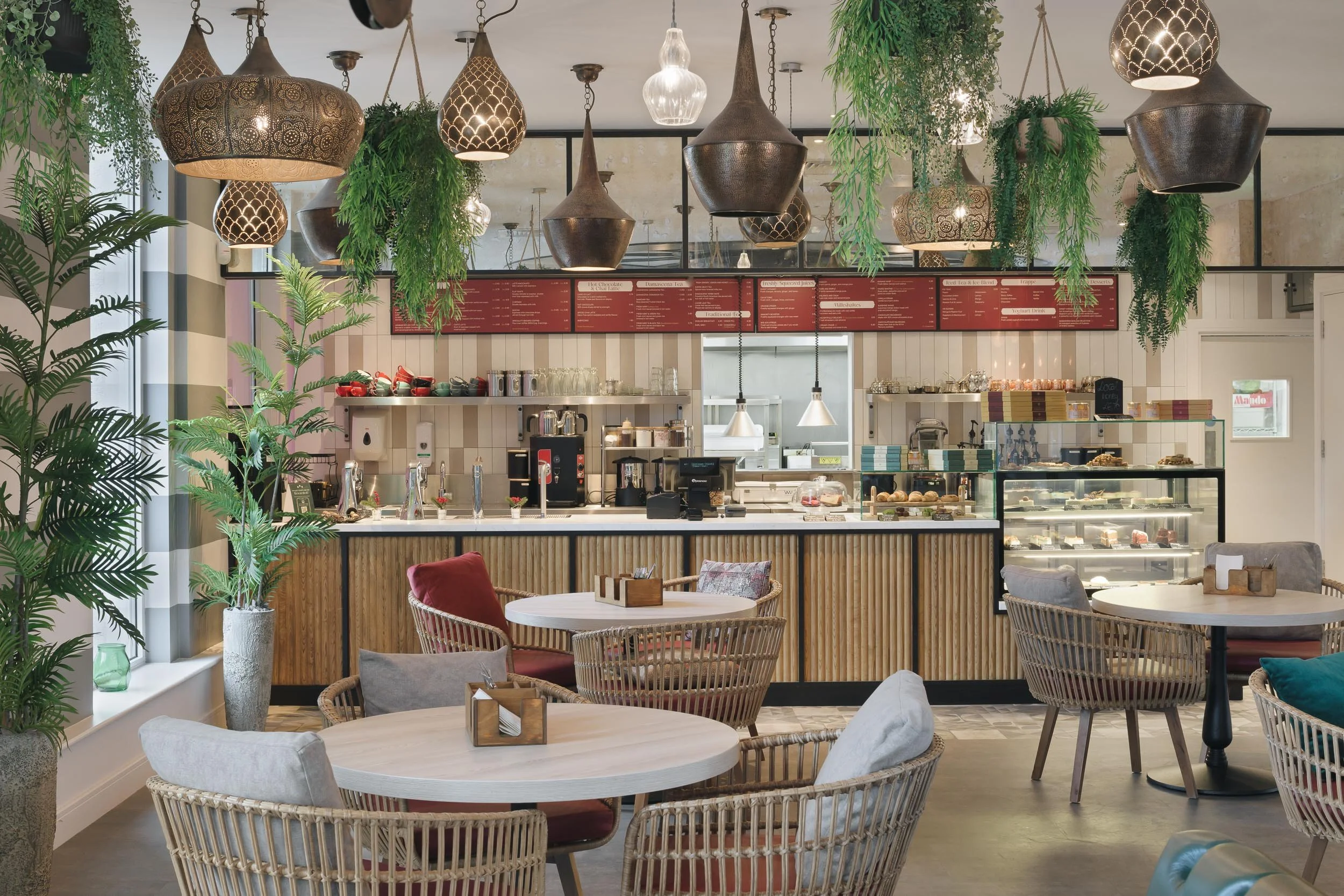
We spend around 90% of our lives indoors — at home, at work, in shops, cafés, and hotels. The spaces that surround us shape how we feel, how we think, and even how well we perform. That’s why wellbeing in interior design isn’t a luxury trend — it’s essential.
A well-designed environment supports both mind and body. It reduces stress, improves focus, boosts mood, and encourages connection. Whether we’re designing a healthy home, a workplace, or a retail environment, every decision — from light to layout — has an impact on how people feel.
The Connection Between Space and Wellbeing
Design and wellbeing are closely intertwined. Our surroundings influence our emotions, habits, and physiology in subtle but powerful ways. Natural light regulates our circadian rhythms; comfortable acoustics calm our nervous systems; good air quality improves concentration and energy levels.
At Studio by Faber, we think about wellbeing not as an aesthetic choice, but as a design responsibility. Every element in a space — material, texture, proportion, sound — contributes to how people experience it.
Healthy Home Design
A healthy home design isn’t just about looking good. It’s about creating spaces that help you live better.
That might mean:
Maximising natural light and ventilation.
Using low-VOC paints and natural materials to improve indoor air quality.
Designing spaces that encourage movement and flexibility.
Introducing texture, greenery, and warmth for a calmer atmosphere.
Even simple choices — like positioning a desk near a window or softening a hard floor with a rug — can have a real effect on daily wellbeing.
Office Wellbeing Design
The same principles apply in the workplace, where design directly affects productivity and happiness.
Office wellbeing design focuses on the human experience:
Creating variety — spaces for collaboration and quiet focus.
Integrating natural light, plants, and materials to reduce stress.
Designing layouts that support social connection and movement.
Considering acoustics and ergonomics to keep people comfortable.
When people feel good in a space, they work better, stay longer, and contribute more creatively.
Design That Reduces Stress
Stress-reducing interiors aren’t about minimalism or spa-like spaces (though those can help). They’re about creating environments that feel balanced — visually, acoustically, and emotionally.
Lighting: Bright when you need energy; soft and warm when you need calm.
Colour: Gentle, nature-inspired palettes reduce tension.
Sound: Thoughtful materials absorb noise, creating focus and peace.
Layout: Intuitive flow avoids friction and clutter, supporting a sense of control.
These small adjustments compound into something greater: an environment that restores rather than drains.
A More Human Approach to Design
Good design doesn’t just look after the space — it looks after the people in it.
Whether it’s a healthy home, an office designed for wellbeing, or a retail environment that feels uplifting, our goal is always the same: to design spaces that make people feel better, not just impressed.
Conclusion
Design affects wellbeing in ways we can see and ways we can’t. From natural light and acoustics to materials and colour, the details we choose shape mood, health, and human experience.
When you invest in thoughtful, wellbeing-driven design, you’re not just improving a space — you’re improving the lives of the people who use it every day.
